


















What is a Gynecological Ultrasound?

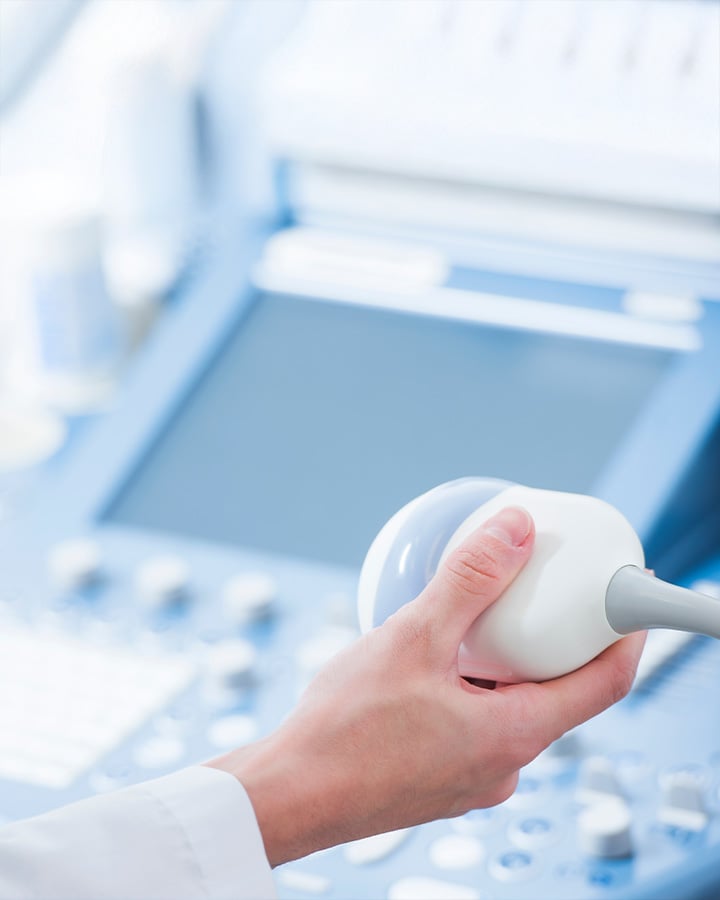
A gynecological, or GYN, ultrasound is a safe and painless procedure to produce images of the internal reproductive structures, including the uterus, bladder, fallopian tubes, cervix, and ovaries. These images help diagnose a range of gynecologic concerns, from pelvic pain to abnormal bleeding. GYN ultrasounds can be performed in two ways: externally (transducer placed on the lower abdomen) or internally (transducer inserted into the vagina). Both methods use high-frequency, inaudible sound waves to gather clear images and advanced, state-of-the-art equipment to ensure your comfort and the highest quality results. 

Your provider may request a GYN ultrasound to:


  • Evaluate follicular development and ovulation
  • Better visualize the internal structures
  • Diagnose pelvic conditions such as masses, cysts, and fibroids
  • Evaluate the endometrial lining, myometrium, and fallopian tubes
  • Identify the cause of abnormal uterine bleeding or pain
  • Identify the cause of menstrual problems

If you’re having a transabdominal ultrasound, your provider will likely ask you to drink water beforehand and arrive with a full bladder, as this helps produce clearer images. If you’re having a transvaginal ultrasound, you’ll be asked to empty your bladder before the procedure. It’s best to wear a loose-fitting, two-piece outfit that can be easily removed to make the process easier. 

There are two types of GYN ultrasounds. Your provider will recommend the one that best supports your care.

  • Transabdominal ultrasound: The sonographer will apply a water-based gel to your lower abdomen and gently glide a transducer over the area to capture images. The procedure is completely safe and painless–you may feel light pressure, but most women find it very comfortable.
  • Transvaginal ultrasound: You’ll lie face up on an exam table, with your legs supported by stirrups. The sonographer will insert a lubricated transducer, covered by a protective sheath, into your vagina to capture detailed images of your pelvic organs. While you may feel slight pressure, most women find the procedure painless and easy to tolerate.

Once the imaging is complete, the sonographer will remove the transducer. If you had a transabdominal ultrasound, any remaining gel will be wiped off your skin. You’ll be able to resume your daily activities right away. Your provider will review the images and follow up with you as soon as possible to discuss any findings or next steps. 

Your GYN Ultrasound Procedure: What to Expect

It’s normal to feel a little nervous before your ultrasound. That’s why our team is here to explain what to expect and how we’ll keep you comfortable throughout.
Mask group (6)

Insurance Information

Most health insurance plans will cover some or all GYN ultrasounds when medically necessary. Our team is here to help you confirm your coverage and identify any out-of-pocket costs upfront, so there are no surprises.

Mask group (7)

Patient Resources

From accessing the patient portal to downloading forms, reviewing insurance details, and exploring helpful FAQs and educational guides – we make it easy to stay informed, prepared, and confident in your care.

Find a Gynecologist Near You

Visit us at one of our convenient locations in Georgia and receive care close to home.

Eagles Landing

115 Eagle Spring Drive, Stockbridge, GA 30281

Locust Grove

Get Scheduled. Get Seen. We’re Here Every Scan of the Way.

A GYN ultrasound is an imaging method that uses sound waves to create images of your uterus, ovaries, and other internal reproductive systems. It helps diagnose conditions affecting your reproductive organs and supports routine checks of your reproductive health.

There are two main types: transabdominal (transducer placed on the lower abdomen) or transvaginal (transducer inserted into the vagina). Your provider will recommend the best option based on your symptoms and the clarity needed. 

While you may feel slight pressure at times, most women find the procedure painless and easy to tolerate. We will talk you through the process and ensure that you are as relaxed and comfortable as possible. 

If you're having a transabdominal ultrasound, you'll likely be asked to arrive with a full bladder. For a transvaginal ultrasound, you'll be asked to empty your bladder beforehand. For either type, wear a loose-fitting, two-piece outfit, and know the exam is quick, simple, and low-stress.

Most GYN ultrasounds take around 15 to 45 minutes, depending on the type of ultrasound performed. 

Yes. GYN ultrasounds play an important role in fertility care by checking ovulation, follicle development, uterine lining, and other factors that support conception.

Yes, your provider will often share preliminary findings with you right away. A full report may follow within a few days. 

If the ultrasound finds anything abnormal, your provider will explain it and guide you through next steps. Most findings are manageable with early care and clear planning. 

We use modern technologies including HTML5, CSS3, JavaScript, React, Vue.js, PHP, Python, and various CMS platforms like WordPress and custom solutions.

We use modern technologies including HTML5, CSS3, JavaScript, React, Vue.js, PHP, Python, and various CMS platforms like WordPress and custom solutions.

Frequently Asked Questions