















What are Warts?

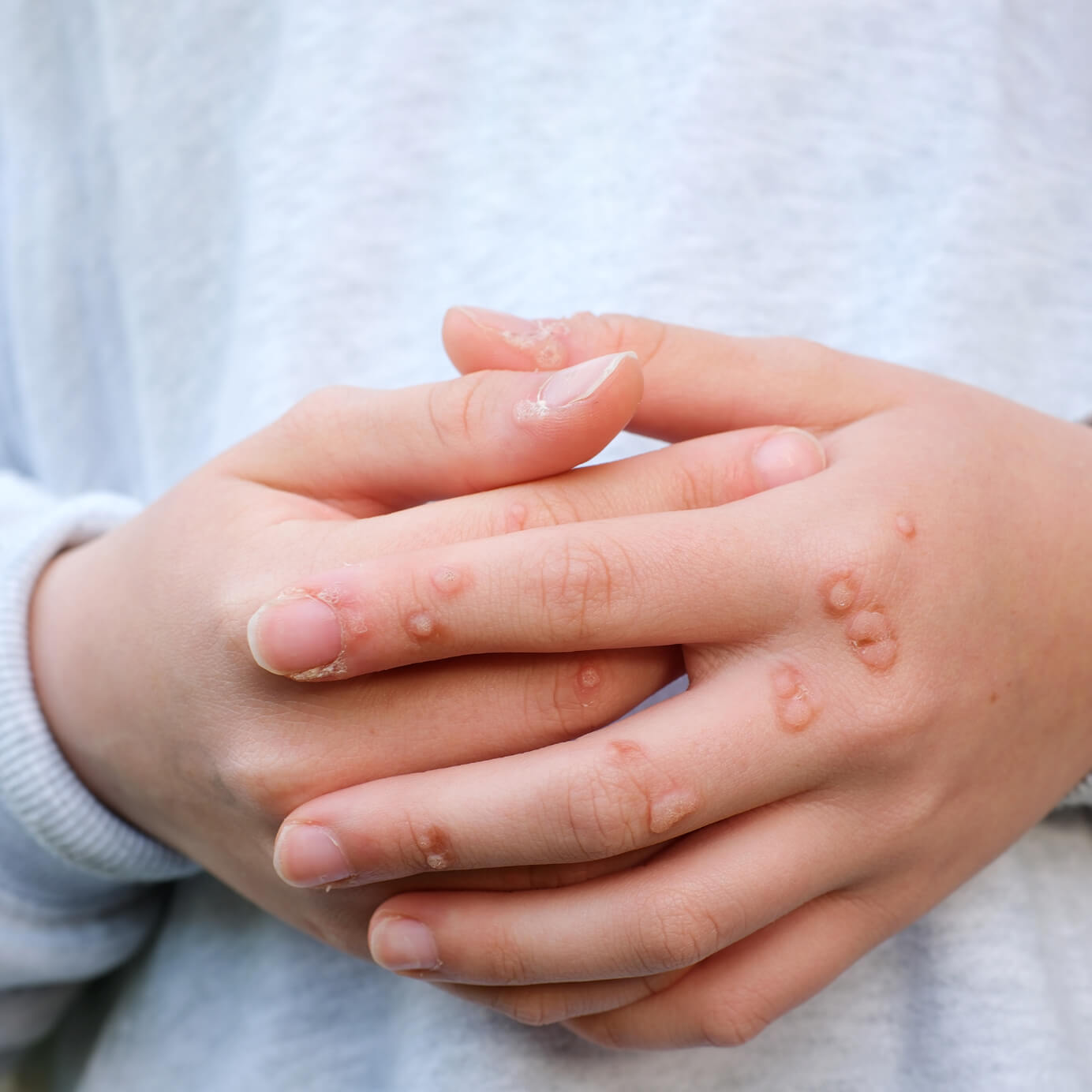
Warts are small, non-cancerous growths on the skin caused by certain types of human papillomavirus (HPV). They can develop when the virus enters the skin, often through tiny cuts or abrasions. While warts can occur anywhere on the body, they most commonly appear on the hands, fingers, feet, and sometimes the face.

Although the viruses that cause warts are widespread, not everyone develops them. Individual factors, including immune response and genetic predisposition, influence susceptibility. Children tend to get warts more often than adults, but warts can affect anyone at any age.

Treatment Options

Most warts will resolve over time, but treatment can speed recovery, reduce discomfort, and prevent spread. Early treatment is recommended to prevent warts from spreading to other areas of the body or to others. Options include:

NWHP - Icon - Infection Evaluation copy
Over-the-Counter Treatments
NWHP - Icon - Infection Evaluation copy

Over-the-Counter Treatments

Salicylic acid or freezing solutions can gradually remove warts with consistent use.

NWHP - Icon - Infection Evaluation copy
In-Office Procedures
NWHP - Icon - Infection Evaluation copy

In-Office Procedures

Cryotherapy (freezing), laser therapy, or minor surgical removal for stubborn or painful warts.

NWHP - Icon - Infection Evaluation copy
Immune-Based Therapies
NWHP - Icon - Infection Evaluation copy

Immune-Based Therapies

Medications that help the body fight the virus in persistent cases.

Your provider will discuss your medical history, symptom timeline, and any previous treatments. This helps determine the most appropriate approach for your warts.

Your provider examines the affected area and may use gentle procedures to remove or treat the wart. The treatment method will depend on wart type, location, and your personal comfort.

You will receive clear instructions for home care and follow-up treatments, if needed. Your provider will also give guidance on preventing future warts and monitoring for new growths.

Your Wart Exam: What to Expect

Mask group (6)

Insurance Information

Most insurance plans cover evaluation and medically necessary wart treatments. Our team can help verify your coverage ahead of time and provide information on self-pay or flexible payment options.

Mask group (7)

Patient Resources

Access forms, educational materials, FAQs, and patient portal tools to stay informed and confident in your care.

Find a Gynecologist Near You

Choose from two convenient locations and receive care close to home.

Eagles Landing

115 Eagle Spring Drive, Stockbridge, GA 30281

Locust Grove

Take Control of Your Cervical Health

Warts are caused by human papillomavirus (HPV) infecting the top layer of skin, often through small cuts or abrasions.

Yes, warts can spread through direct skin-to-skin contact or contact with contaminated surfaces.

Good hygiene, protecting your skin, and avoiding shared personal items can reduce the risk.

Not always. Many warts resolve on their own, but treatment can speed recovery, reduce spread, and relieve discomfort.

Treatments range from over-the-counter remedies to in-office procedures like cryotherapy or laser removal, depending on wart type and severity.

Yes, warts can reappear, especially if the virus remains in the skin. Preventive care and prompt treatment can minimize recurrence.

Yes. Most insurance plans cover HPV and Pap tests as part of routine preventive care. Our team can confirm your coverage and provide cost information before your visit.

Frequently Asked Questions