











Painful Periods (Dysmenorrhea)
Severe menstrual cramps can disrupt your daily life, but relief is possible. With expert care, we help you manage pain and improve your quality of life during your cycle.
What Are Painful Periods?
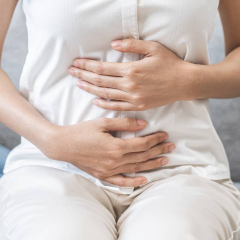
Painful periods, medically known as dysmenorrhea, are intense menstrual cramps that may occur in the lower abdomen, back, or thighs. Some women experience additional symptoms like nausea, diarrhea, fatigue, irritability, or mood changes.
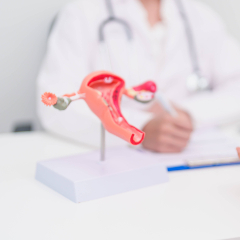
Cramps result from contractions of the uterine muscles, often triggered by naturally occurring chemicals called prostaglandins. Higher prostaglandin levels can intensify pain. Painful periods may also be linked to conditions such as:
- Endometriosis
- Adenomyosis
- Uterine fibroids
- Pelvic infections
- Use of an intrauterine device (IUD)
Lifestyle factors like caffeine or nicotine use, obesity, and limited physical activity may contribute to discomfort.
Treatment Options for Painful Periods
The right treatment depends on the underlying cause and severity of your symptoms. Options include:
Medication
Non-steroidal anti-inflammatory drugs (NSAIDs) such as ibuprofen, naproxen, or aspirin can reduce cramping and inflammation.
Hormonal Therapy
Oral contraceptives or hormone-based medications can regulate cycles, reduce ovulation-related pain, and improve symptoms.
Minimally Invasive Procedures
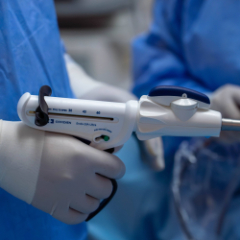
For persistent or severe cases, diagnostic procedures like laparoscopy, dilation and curettage (D&C), or other interventions may be recommended.
Lifestyle and Home Remedies
Heat therapy (heating pads or hot baths), gentle exercise, stress management, and nutritional support with vitamins B and E may help ease discomfort.
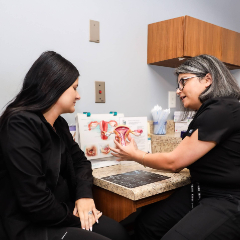
Your visit begins with a discussion of your symptoms, menstrual history, lifestyle, and any previous treatments. Sharing this information helps your provider create a tailored care plan.
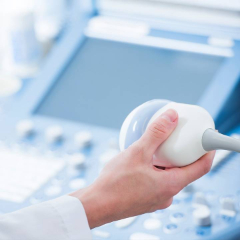
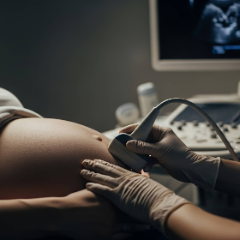
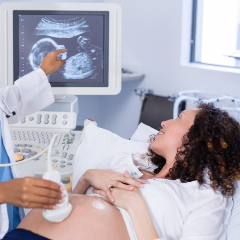
Your provider may perform a pelvic exam and recommend imaging such as an ultrasound to evaluate the uterus, ovaries, and surrounding tissues. These tests help identify underlying causes of severe menstrual pain.
You will receive a personalized treatment plan, including medication, lifestyle strategies, or procedures if needed. Your provider will review follow-up care and offer guidance to help you manage symptoms effectively.
Your Painful Period Exam: What to Expect
Insurance Information
Most insurance plans cover evaluation and treatment for painful periods, including exams, imaging, medications, and procedures. Our team can confirm your coverage ahead of time and provide information on self-pay or flexible payment options.
Patient Resources
Access forms, educational materials, FAQs, and patient portal tools to stay informed and confident in your care.
Meet Our Gynecologists

Find a Gynecologist Near You
Choose from two convenient locations and receive care close to home.
Eagles Landing
Locust Grove
5040 Bill Gardner Pkwy, Suite 200, Locust Grove, GA 30248
Don’t Suffer in Silence—We Can Help
Dysmenorrhea refers to severe menstrual cramps caused by uterine contractions and elevated prostaglandin levels.
Symptoms may include abdominal cramps, back or thigh pain, nausea, diarrhea, fatigue, and mood changes.
Pain can be linked to conditions like endometriosis, fibroids, adenomyosis, infections, or use of an IUD. Lifestyle factors such as caffeine intake, smoking, obesity, and lack of exercise may also contribute.
Treatment ranges from NSAIDs and hormonal therapy to minimally invasive procedures and lifestyle adjustments.
Yes, gentle exercise, heat therapy, and certain vitamins may reduce symptoms for some women.
Many women notice improvement with age, after childbirth, or with effective treatment.
Yes, especially if pain is severe, worsening, or interfering with daily life. Evaluation helps identify treatable conditions and ensures proper care.